
March 10th, 2026
When people step aboard a Wetwheels boat, they often notice the speed, the sea air, and the sense of freedom. What they may not immediately see is the thought, experience, and collaboration that make each vessel truly unique.
Wetwheels was founded by disabled yachtsman Geoff Holt MBE DL, born from his own personal experience of wanting better access to the water. After sustaining a spinal injury, Geoff was determined that disability should not mean exclusion from boating. One of the earliest challenges was something simple but fundamental: access. Not a lift, not a transfer, but a proper ramp to the helm, allowing someone to remain in their wheelchair and take control.
Designed by Experience
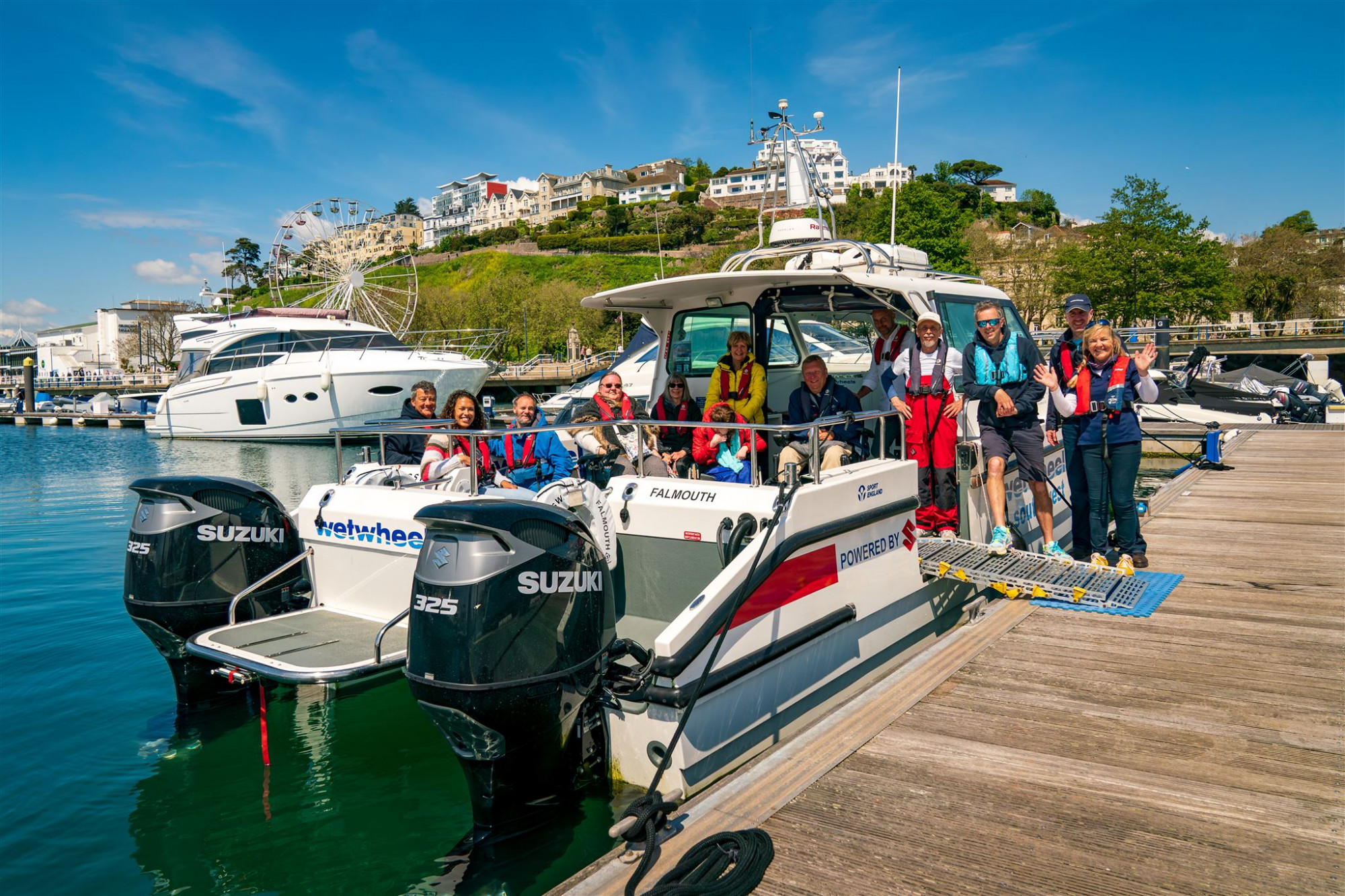
The first Wetwheels boat set a new benchmark for accessible powerboating, but this design has continually evolved over the years. Each vessel has been continually refined over the years, shaped by feedback from participants, families, carers and crew. From the first boat 15 years ago, there have been small but significant improvements introduced over time, including windows being redesigned to maximise visibility and additional handholds positioned for safety and ease of use. Even the boarding ramps have been engineered at the optimum angle to work across different pontoons, ensuring consistent, safe access in a variety of marina environments. Every small detail matters because every detail can affect someone’s independence.
Built for Purpose
Wetwheels boats are built by Cheetah Marine, one of the UK’s top catamaran makers, and Wetwheels is now the largest operator of Cheetah catamarans of this kind, which is a testament to a partnership built on shared expertise and continuous development. None of this would be possible without industry collaboration. Suzuki Marine helps with engineering and charitable support, Pantaenius UK keeps the boats insured, and Raymarine provides the tech that makes life on board easier and safer. These partnerships reduce costs, improve capability, and help Wetwheels continue evolving.
Each boat takes approximately six months to build, followed by rigorous regulatory checks and coding. Every vessel is fully coded under Maritime & Coastguard Agency requirements, independently audited, and operated by commercially endorsed skippers.
Safety Without Compromise
Balancing independence with safety is central to the Wetwheels approach. Every participant wears a lifejacket suited to their needs, and each trip begins with a comprehensive safety briefing. Skippers and crew assess each session individually, adapting where necessary while keeping the experience inclusive. The boats are designed for flexibility, and the crew, including volunteers certified in man overboard procedures, lifejacket protocols, fire response, and distress procedures, is trained to manage a wide range of requirements, delivering what Wetwheels calls “controlled freedom.” This attention to detail has made Wetwheels a recognised leader in safely taking disabled people powerboating.
More Than Accessible
Participants are not just passengers; they are in control. Every person gets the chance to drive the boat. That moment when someone realises they are at the helm, powering across open water, is transformative. It builds confidence, challenges perceptions, and fosters independence that often extends far beyond the trip itself.
Wetwheels is about shared experiences. Families, friends, and carers enjoy the sea together, sometimes quite literally getting a little wet! The sensory impact is powerful with the noise of the engines, the speed, the spray of saltwater, and the feeling of freedom. For many participants, especially those with complex needs, this combination makes each trip unforgettable.
Looking Ahead
Our ambition remains the same, and that’s to push accessible boating forward and ensure the sea is open to everyone. With that in mind, the fleet continues to be developed, with planned refinements that include additional handholds, lowered and widened bench seating for greater comfort, more deck cleats for flexible wheelchair positioning, and integration of new technologies such as onboard cameras.
After stepping off a Wetwheels boat, people often talk about the speed, the freedom, and the joy of doing something independently. What the team hopes people truly understand is that accessible boating isn’t about slowing things down; it’s about opening things up. With the right design, training, and mindset, the sea is for everyone.